Best Practices for Number Game Players
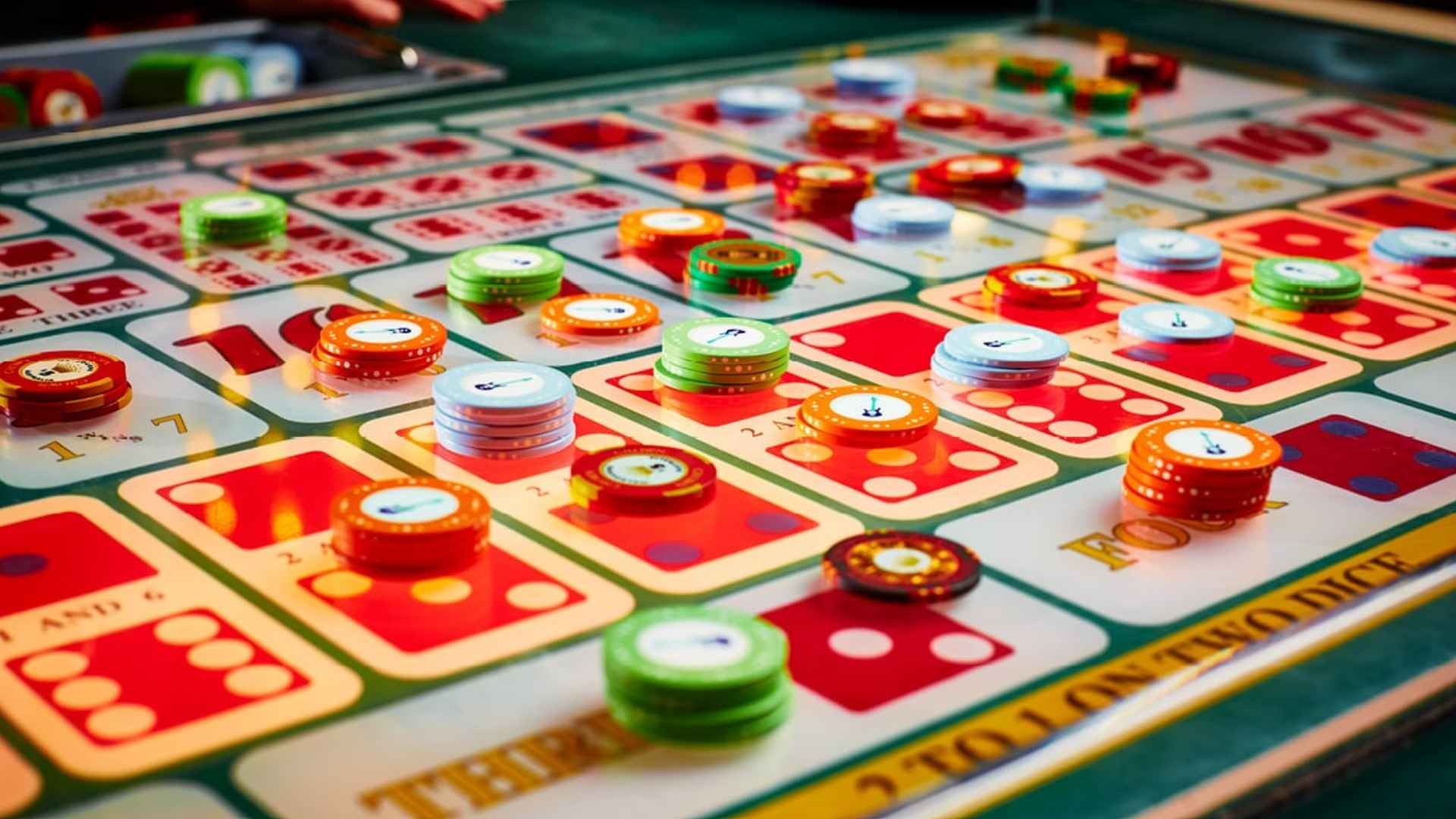
Engaging with numerical puzzles and digital deduction games has become a highly popular way to sharpen logical reasoning skills and maintain long-term cognitive health. Whether you are solving complex grid arrangements or participating in speed-based matching exercises, achieving consistent success requires a blend of deliberate practice and structured decision-making. Developing a reliable set of habits allows individuals to transition from casual guessing to strategic mastery, transforming every puzzle session into a rewarding mental workout.
Establish a Systematic Foundation
The most successful players always begin by identifying the initial parameters and establishing a clear plan of action before making their first move. Rushing into a numerical challenge without a baseline strategy often leads to early mistakes that compound as the game progresses. By taking a moment to analyze the layout, you can easily discover the structural patterns that dictate how the session will unfold.
Another vital habit is focusing your energy on the most restricted sections of the puzzle grid where only a few logical possibilities exist. This process of systematic elimination naturally minimizes errors and builds a solid foundation for tackling the remaining sections of the board. Over time, this deliberate methodology trains your mind to process analytical details with much higher speed and accuracy.
Practice Mindful Pace Control
Maintaining a calm, composed mindset is critical when navigating advanced logical scenarios that require intense concentration. Speed naturally improves with experience, meaning beginners should always prioritize accuracy and patient analysis over rapid completion times. Taking deep, measured breaths during complex rounds prevents mental fatigue and keeps your analytical faculties operating at their absolute peak.
Many enthusiasts also find it incredibly beneficial to explore diverse platforms and interactive logic communities to discover new tactical perspectives. Engaging with specialized gaming hubs like Mansion88 can provide valuable exposure to unique formats, global leaderboards, and modern tactical discussions. Diversifying your puzzle routine ensures that your learning process remains engaging, fresh, and continuously challenging.
Analyze Past Decisions for Improvement
True improvement in number-based entertainment comes from thoroughly reviewing your performance and understanding exactly where a specific line of reasoning went wrong. When you hit a roadblock, take a step back to retrace your choices and isolate the exact point of logical deviation. Transforming errors into practical learning opportunities is the fastest way to refine your strategic instincts and build long-term confidence.
Additionally, keeping a mental or digital record of successful deduction sequences allows you to replicate efficient patterns in future matches. This consistent habit of self-reflection separates elite solvers from casual participants who rely entirely on random luck. Developing this advanced level of critical thinking quickly translates into noticeable cognitive growth far beyond the gaming screen.